


Follow Us


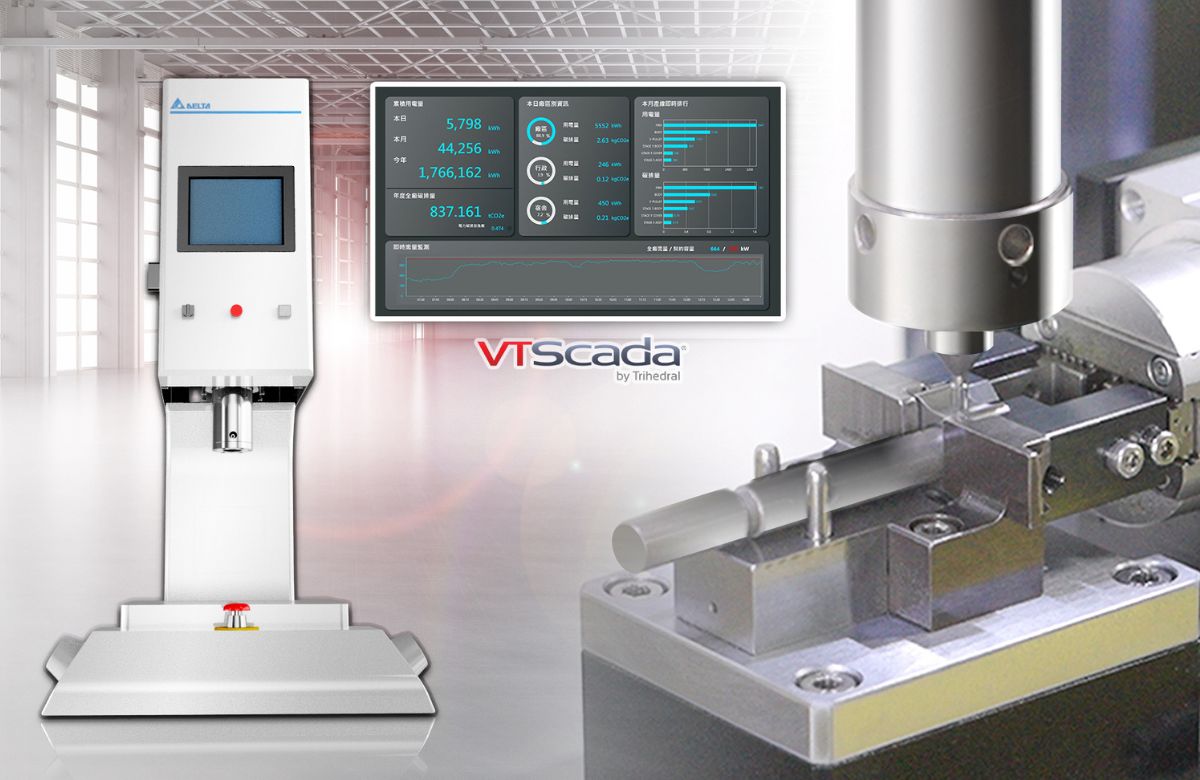 The process of pressing is critical for the yield rates of production lines for automotive components and agricultural machinery. In the past, hydraulic presses were popular choices for high pressing force, despite limitations in controllability, high energy consumption, and environmental contamination, which have increasingly constrained production performance.
However, the prevalence of high-mix, low-volume production and ESG awareness has changed the game. Manufacturers are seeking greener solutions with higher precision, faster delivery, and greater flexibility. As a result, they start to opt for smart, data-driven production technologies.
Atrans Precision Industries Co., Ltd. (Atrans Precision) is a leader in precision mechanical components. With an established reputation and expertise, it serves the automotive, construction, and agricultural sectors across more than 10 countries. At the start of collaborating with Delta, Atrans Precision was facing three major challenges in its transition to smart manufacturing.
First, its reliance on manual operation and the lack of digital records led to quality instability and difficulty in transferring domain expertise. Second, unorganized workstation layouts for pressing, inspection, and measurement caused wasted floor space, inefficient personnel capacity and production scheduling. Finally, its traditional hydraulic presses caused high maintenance and environmental costs with oil leaks, noise, and high energy consumption.
These challenges led Atrans Precision to look for solutions that empower both operation efficiency and smart upgrades, which is why it partnered with Delta for one-stop services, integrated solutions and proven success experience. Delta began by analyzing the production process to identify the causes of pressing instability, followed by fixture and pressing curve optimization, which enhances precision while reducing manual workload. The solution mobilized the Servo Press with factory-level monitoring and control by VTScada.
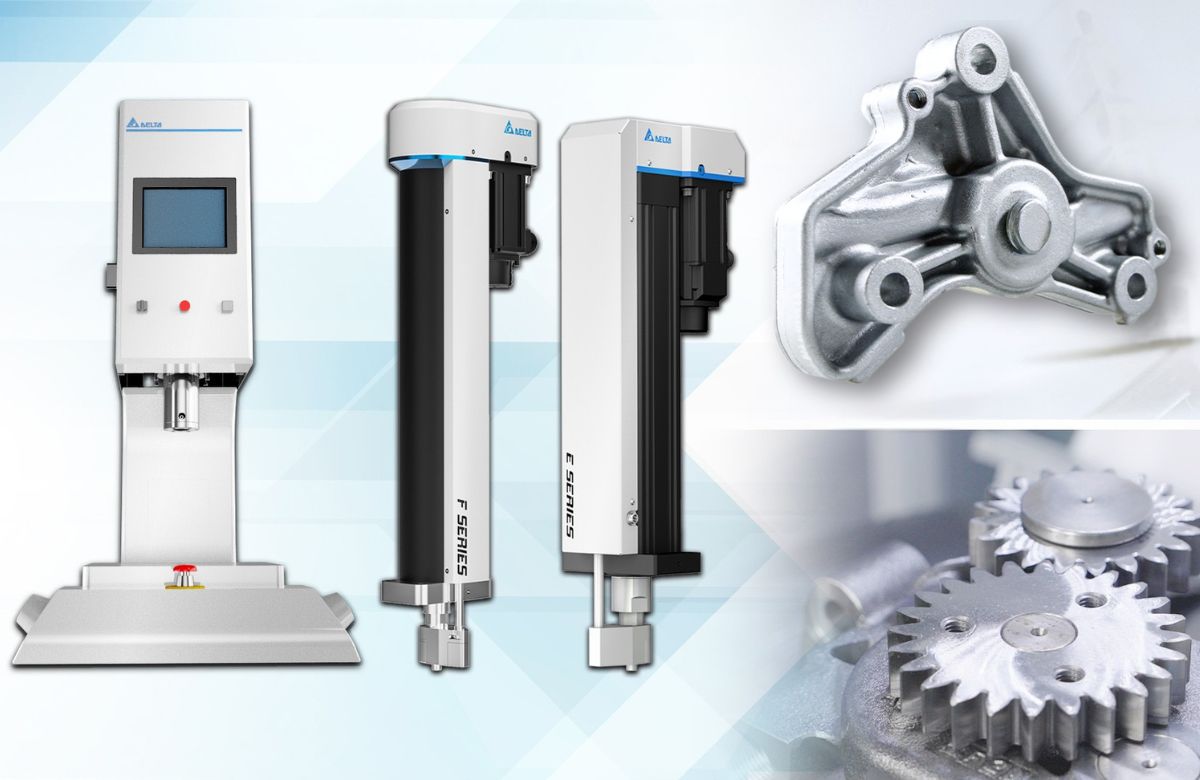 The Servo Press digitizes the manufacturing know-how with standardized, manageable recipes. Vital parameters such as position, pressure, speed, and time are uploaded to MES and VTScada for visualization and traceability. The VTScada Scada System monitors energy consumption, waste fluid, and equipment status in real-time, and automated reports and alerts help achieve proactive maintenance. Delta also ensured a smooth ramping process with on-site support and tuning.
Delta’s Servo Press and Factory-Level Monitoring offer the following benefits:
1. High-Precision Pressing Control: Delta’s Servo Press utilizes electric servo drive technology to precisely control force, displacement, and speeds to eliminate the pressure fluctuations often seen in hydraulic systems.
2. Recipe Management and Production Traceability: By transforming complex process parameters into recipes, Delta’s Servo Press allows rapid line changeovers while maintaining stable and consistent outputs. It records data in real time to generate complete pressing curves that clearly indicate pressing results. The data is uploaded to MES for traceability and quality alerts, significantly reducing rework while strengthening delivery commitments.
3. Multi-Functional Servo Press: Integrates pressing, inspection, and measurement in one single workstation, which streamlines production line layouts and enhances manpower efficiency with optimized TCO (Total Cost of Ownership).
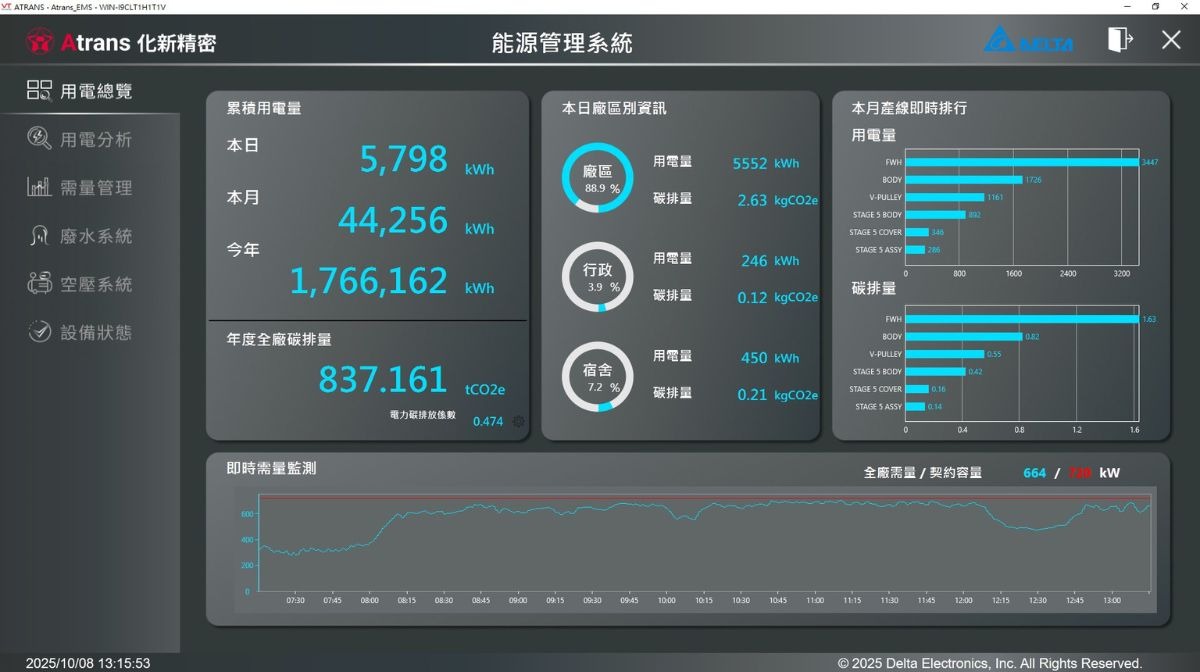
4. Proven Sustainability Results: Delta integrates its Servo Press with the VTScada SCADA System to enable real-time monitoring of electricity, wastewater and equipment status across the factory. Based on the visualized electricity data, managers flexibly adjust line allocations to optimize energy use. Atrans Precision has saved 97% of space and waste fluid handling costs. Monthly electricity consumption dropped from 207,000 kWh to 164,900 kWh; and annual waste oil declined from 160 tons to 10 tons.
Delta’s Servo Press and SCADA Solution enables Atrans Precision to transform manual operation into data-driven production with strengthened quality and flexibility. In addition, the solution further reduced energy consumption and wastewater to empower Atrans’ global competitiveness with smart and greener operation.
